


-

Add: HeBei ShengShi HongBang Cellulose Technology CO.,LTD.
-

Email
13180486930@163.com -

CONTACT US
+86 13180486930





Hydroxypropyl methylcellulose (HPMC) is a synthetic polymer widely used for its versatility and applications in various industries, such as pharmaceuticals, food, and cosmetics. Understanding the solubility of HPMC in organic solvents is paramount for those involved in product formulation and innovation. This article provides an in-depth look at the solubility map of HPMC, informed by real-world experiences and expert insights, to help you make informed decisions. HPMC is known for its unique solubility properties that make it highly functional. Unlike many cellulose derivatives, HPMC is soluble in water and some organic solvents. However, the solubility in organic solvents is not as straightforward as its aqueous counterparts . The degree of substitution and the nature of the solvent are primary determinants of HPMC’s behavior. A deep dive into solvent interactions reveals that HPMC demonstrates compatibility with polar organic solvents. Methanol, ethanol, and isopropanol are typically employed as solvents due to their polar nature, which interacts favorably with the HPMC molecules. Although complete dissolution may not always be achieved, blending these solvents with water often enhances solubility. Many formulators rely on these mixtures for HPMC applications, especially when targeting specific viscosities and functional attributes. In the arena of pharmaceutical formulations, the solubility of HPMC in organic solvents plays a vital role in controlled-release drug delivery systems. Experts frequently use a combination of ethanol and water to create a semi-solid matrix, which acts as a vehicle for sustained drug delivery. The solvent ratio, viscosity grade of HPMC, and other polymer characteristics are meticulously adjusted to meet the therapeutic needs. Despite considerable research and anecdotal evidence supporting specific solvent use, nuances in product formulations are inevitable. Experience lends insight into overcoming challenges such as solvent evaporation and maintaining polymer integrity. For instance, blending organic solvents with plasticizers has proven effective in preventing brittleness and enhancing film flexibility, a crucial aspect in coating applications. solubility of hpmc in organic solvents In the food industry, where HPMC is used as a thickener and emulsifier, compatibility with organic solvents is scrutinized due to regulatory and safety considerations. The application of ethanol in food-grade HPMC solutions showcases its utility in achieving desirable textures and stability in various consumables. Food technologists often emphasize a rigorous approach to solvent selection, focusing on maintaining consumer safety and product efficacy. Renowned experts in polymer science continuously evaluate the solubility characteristics of HPMC in emerging organic solvents. Environmental concerns and advancements in green chemistry have driven the exploration of eco-friendly solvents like ethyl lactate. These alternatives are gaining traction, though widespread adoption necessitates a careful balance between solubility performance and environmental impact. Trust in the reliability and safety of HPMC-solvent systems stems from robust testing and validation processes. Third-party verifications and certifications, especially in food and pharmaceutical domains, enhance the credibility of HPMC applications. Manufacturers often publish detailed solubility data and safe-use guidelines, supporting formulation scientists in their quest for optimal solubility strategies. Staying informed on advancements and new findings in solvents is crucial for professionals working with HPMC. Attending industry conferences, engaging in workshops, and subscribing to peer-reviewed journals are excellent methods to maintain expertise. Networking with fellow experts provides additional perspectives and solutions, further enriching one's understanding and application of HPMC in various contexts. In conclusion, understanding the solubility of HPMC in organic solvents is essential for optimizing product formulations across multiple industries. Balancing functionality, safety, and environmental considerations remains a top priority for professionals. Adeptly navigating these parameters ensures the development of high-quality, effective products that meet the evolving needs of consumers.
- 40000tons

Production
- 20+years

Experience
- 5000+㎡

Acreage

-
Understanding the properties and applications of HPMC K15M viscosity is critical for industries ranging from pharmaceuticals to construction. Hydroxypropyl methylcellulose (HPMC) is a multifunctional compound used primarily for its thickening and stabilizing properties. The alphanumeric code K15M denotes a particular viscosity grade that plays a significant role in determining its application suitability. When discussing the viscosity of HPMC K15M, we refer to the measure of its resistance to flow. Viscosity impacts the performance of HPMC in various formulations; hence, understanding its breadth can enhance application outcomes. The viscosity of HPMC K15M lies typically between 12,000 to 18,000 mPa.s, measured in a 2% solution at 20°C. This specific viscosity makes it a versatile option for formulations requiring medium to high viscosity levels. In pharmaceutical applications, the HPMC K15M grade finds extensive use in controlled release formulations. It acts as an essential component in hydrophilic matrices designed to extend the release of active pharmaceutical ingredients (APIs). The high viscosity of HPMC K15M provides a protective gel barrier when it comes in contact with gastrointestinal fluids. This gel barrier modulates the diffusion of APIs, thereby achieving a precise drug release profile. The expertise in formulating these controlled release systems requires a detailed understanding of how HPMC's viscosity interacts with other ingredients and its impact on overall pharmacokinetics. Beyond pharmaceuticals, HPMC K15M is pivotal in the construction industry, particularly in tile adhesives and mortars. The compound's viscosity contributes to increased water retention which ensures a longer open time and improves the workability of the mixtures. Experience shows that formulations including HPMC K15M provide superior consistency and adhesive strength. The expertise in balancing viscosity with other mechanical properties can result in end-products that are more durable and efficient. In the realm of food products, HPMC K15M serves as a thickening agent . It enhances the texture and stability of various food items without altering their taste or color. For instance, in gluten-free products, HPMC K15M imparts the necessary dough elasticity, ensuring the product mimics traditional gluten-containing bread or pastries. The authority in food science recognizes the importance of such ingredients in creating innovative and consumer-friendly products. In this context, the trustworthiness of HPMC K15M is underscored by its acceptance by food safety authorities, such as the FDA, recognizing it as safe for consumption. hpmc k15m viscosity Moreover, from a sustainability standpoint, HPMC K15M is derived from cellulose, the most abundant organic polymer on Earth. This aligns with eco-friendly production goals across various industries seeking to diminish their environmental footprint. The utilization of HPMC K15M reflects a knowledgeable approach to integrating green chemistry principles in commercial manufacturing processes, further establishing its role in sustainable product development. Finally, the trustworthiness of this compound can be best understood through its consistent performance and regulatory compliance. Industries leveraging HPMC K15M in their formulations benefit from its predictable behavior across different environments and its conformance to stringent quality standards. To maximize HPMC K15M’s potential, industries continue to innovate in formulation techniques. Advanced research focuses on how modifying HPMC’s chemical structure could lead to even more versatile applications and improved product qualities. Yet, as it stands, the benefits provided by the unique viscosity profile of HPMC K15M remain a cornerstone in both high-performance and routine applications. Thus, the exploration of HPMC K15M's viscosity is not merely a technical exercise but a pathway to improved product performance and innovation across multiple industries. Whether enhancing drug delivery mechanisms, improving construction materials, refining food textures, or driving eco-friendly practices, HPMC K15M stands as a testament to the intersection of science and industrial application.
-
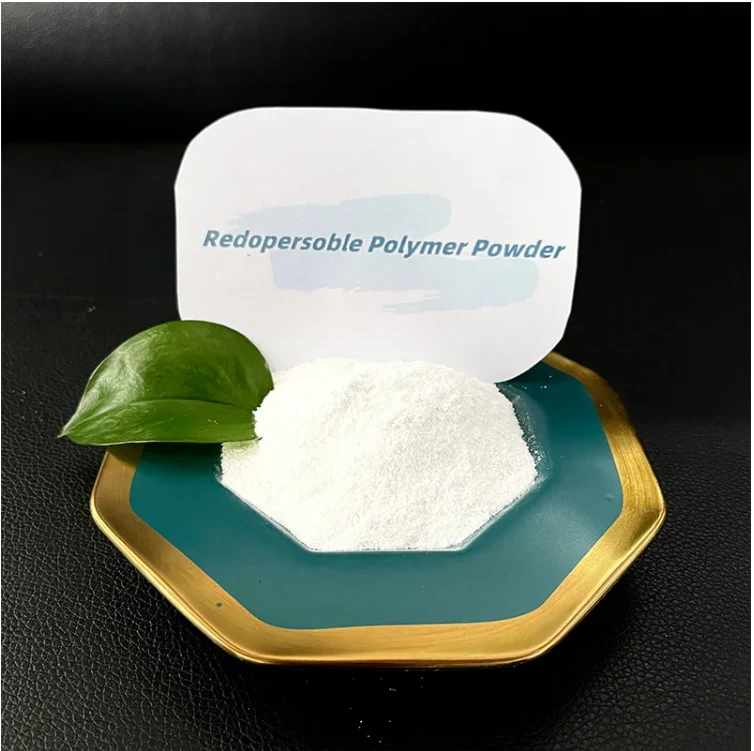
Hydroxymethyl cellulose , often encountered in its more prevalent derivative form hydroxypropyl methylcellulose , represents a cornerstone of modern construction chemistry. Derived from natural cellulose through etherification, this non-ionic, water-soluble polymer exists as a white, odorless, and tasteless powder. Its unique properties – exceptional water retention, thickening capability, adhesion enhancement, and workability modification – make it indispensable in numerous building materials. While often used interchangeably in construction contexts, hpmc cellulose typically offers superior performance in critical areas like enzyme resistance, temperature stability, and consistent viscosity development compared to basic hydroxymethyl cellulose . Understanding the fundamental chemistry and rheology of these cellulose ethers is paramount for optimizing their use in demanding construction environments, where controlling water dynamics and paste consistency directly impacts final product quality and application efficiency. Core Functions of hpmc Cellulose The primary value of hydroxypropyl methylcellulose lies in its multifaceted functionality within cementitious and gypsum-based systems: Unmatched Water Retention: This is arguably HPMC cellulose 's most critical attribute. By significantly slowing the rate of water loss to the substrate and atmosphere, it ensures sufficient water remains available for the complete hydration of cement or setting of gypsum. This prevents premature drying, minimizes plastic shrinkage cracking, enhances ultimate strength development, and improves bond strength to substrates. Poor water retention leads to weak, dusty surfaces and poor adhesion. Rheology Modification & Workability Enhancement: hpmc cellulose acts as a highly efficient thickener and rheology modifier. It imparts desirable consistency to mortars and plasters, improving sag resistance on vertical surfaces, reducing splattering during application, and enhancing toolability. The viscosity grade of the hydroxypropyl methylcellulose selected directly influences the final mix rheology. Air Entrainment: The incorporation process of hpmc cellulose often introduces a controlled amount of minute, stable air bubbles into the mix. This micro-air improves workability further, enhances cohesion, reduces density, and can improve freeze-thaw resistance in exterior applications. However, excessive air entrainment must be avoided as it compromises strength. Adhesion Promotion: hpmc cellulose films formed at interfaces enhance the adhesive bond between the applied material and the substrate, as well as improving cohesion within the material itself. Retardation: By forming a film around cement particles and reducing water availability, hpmc cellulose can slightly retard the setting time, extending open time for application and adjustment, particularly crucial in tile adhesives and large renders. Optimizing Hydroxypropyl Methylcellulose Selection and Dosage Selecting the right hydroxypropyl methylcellulose grade and dosage is not arbitrary; it requires careful consideration of the specific application and desired performance profile: Viscosity Grade: hpmc cellulose is available in a wide range of viscosity grades. Lower viscosity grades are often used in self-leveling compounds or where high flow is needed. Medium viscosity is common for tile adhesives and standard renders. High viscosity grades provide excellent sag resistance in thick-bed mortars, plasters, and exterior insulation finishing systems base coats. Hydroxypropyl Substitution Ratio: The ratio of methyl to hydroxypropyl groups on the cellulose chain influences key properties. Higher methyl substitution generally improves water solubility. Higher hydroxypropyl substitution enhances thermal gelation temperature (critical for hot weather application) and improves enzyme resistance in cementitious systems. Most construction-grade hpmc cellulose balances these substitutions for optimal performance. Particle Size and Modification: Finer powders dissolve faster but may be dustier. Surface-treated hpmc cellulose powders offer delayed dissolution ("lump-free" mixing) and are highly preferred for dry-mix mortars added to mixers with water. FAQs about hpmc Cellulose What causes slow strength development in my HPMC-modified mortar? Slow strength gain is most commonly linked to excessive dosage of hydroxypropyl methylcellulose . While HPMC provides essential water retention and workability, overdosing significantly retards the hydration of cement by physically coating particles and limiting water access. Carefully review and reduce the hpmc cellulose dosage according to formulation guidelines and application needs. Ensure environmental conditions (especially low temperature) aren't the primary cause. Verify cement quality and freshness. Why is my hpmc cellulose render cracking shortly after application? Plastic shrinkage cracking in renders is primarily due to rapid water loss before the material gains sufficient strength. This indicates insufficient water retention capacity. Check that you are using an adequate type and dosage of hpmc cellulose , specifically chosen for its high water retention performance suitable for renders. Ensure the substrate wasn't overly absorbent and wasn't pre-wetted correctly. Applying in hot, dry, or windy conditions without adequate protection (sun/wind screens) will exacerbate this issue, even with good hydroxymethyl cellulose derivatives. How do I prevent lump formation when mixing hpmc cellulose ? Lumps occur when hpmc cellulose powder hydrates too quickly on the surface, trapping dry powder inside. The solution is twofold:Always pre-blend the dry hydroxypropyl methylcellulose powder thoroughly with the other dry ingredients (cement, sand, filler) before adding water. This dilutes it and prevents clumping. Crucially, use surface-treated (delayed solubility) hpmc cellulose grades. These are chemically modified to dissolve gradually, allowing time for dispersion before thickening occurs, virtually eliminating lumps even if added directly to water under agitation. Ensure adequate mixing energy and time. Can I use hpmc cellulose in hot weather? Yes, but job site practices are essential. Standard hydroxypropyl methylcellulose solutions thicken significantly and can even gel as temperature rises. For hot climates or summer application, specify hpmc cellulose grades engineered with a high thermal gelation temperature . These maintain viscosity stability and workability much better under heat. Additionally, store materials in the shade, use cool mixing water if possible, schedule work during cooler parts of the day, and protect applied materials from direct sun and wind to slow evaporation. Is hpmc cellulose compatible with other admixtures? Generally, hydroxypropyl methylcellulose exhibits good compatibility with most common construction admixtures like superplasticizers, air-entraining agents , retarders, and accelerators. However, interactions can occur. For instance, some superplasticizers might slightly reduce the viscosity imparted by hpmc cellulose . Some retarders might have synergistic or antagonistic effects. Air-entraining agents combined with hpmc cellulose can sometimes lead to higher than desired air contents. Always conduct small-scale compatibility tests when formulating with multiple admixtures. Add admixtures sequentially according to manufacturer recommendations, often adding hpmc cellulose early in the dry blend and liquid admixtures to the mix water. Mastering the use of hydroxymethyl cellulose and its advanced counterpart, hydroxypropyl methylcellulose , is fundamental to achieving high-performance, durable, and workable building materials. From the crucial water retention that safeguards against cracking and ensures full hydration, to the rheological control enabling smooth application and sag resistance, hpmc cellulose acts as a vital multifunctional modifier. Success hinges on selecting the appropriate grade and dosage for the specific application—whether it's a high-sag-resistance plaster, a highly retarded tile adhesive, or a fluid self-leveling compound. Adherence to proper mixing protocols, awareness of environmental conditions, and understanding substrate requirements are equally critical. By addressing common challenges through informed choices and practices, as highlighted in the FAQs, formulators and applicators alike can consistently leverage the unique properties of hpmc cellulose to produce superior construction results, enhancing both the efficiency of the building process and the longevity of the finished structure. The versatility and effectiveness of hydroxypropyl methylcellulose cement its indispensable role in modern, high-quality construction chemistry.
advantages
-

200000 Viscosities
Excellent product
We can produce pure products up to 200,000 viscosities
-

40000 tons
High yield
We don’t stop production all year round, and the annual output can reach 40,000 tons
-

24 hours
Quality service
We provide 24-hours online reception service, welcome to consult at any time
———— Inquiry Form
Schedule A services

-
 hydroxypropyl_methylcellulose_excipient
Oct . 25, 2025
The Impact of HPMC E5 LV in Various Industries Hydroxypropyl Methylcellulose (HPMC) is a versatile a -
 harga_bubuk_polimer_yang_dapat_didispersikan_kembali
Oct . 25, 2025
Hydroxypropyl methyl cellulose (HPMC) is a synthetic polymer used across varied industries, includin -
 hpmc_empty_capsules
Oct . 25, 2025
Polypropylene fiber, often referred to as PP fiber, is revolutionizing a multitude of industries wit


